 @Arif.12
more from that month
@Arif.12
more from that month
Sleep
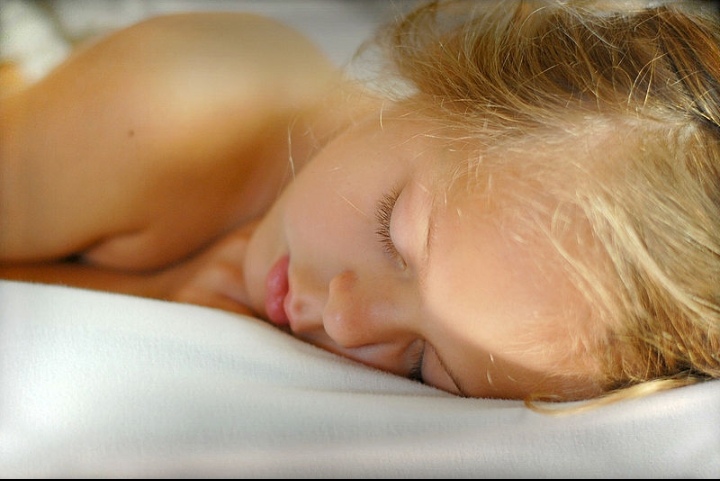
**Sleep** is a naturally recurring state of mind and body, characterized by altered consciousness, relatively inhibited sensory activity, reduced muscle activity and inhibition of nearly all voluntary muscles during rapid eye movement (REM) sleep,[1] and reduced interactions with surroundings.[2] It is distinguished from wakefulness by a decreased ability to react to stimuli, but more reactive than a coma or disorders of consciousness, with sleep displaying very different and active brain patterns. https://en.m.wikipedia.org/wiki/Consciousness https://en.m.wikipedia.org/wiki/Voluntary_muscle https://en.m.wikipedia.org/wiki/Rapid_eye_movement_sleep https://en.m.wikipedia.org/wiki/Sleep#cite_note-1 https://en.m.wikipedia.org/wiki/Sleep#cite_note-nih-2 https://en.m.wikipedia.org/wiki/Wakefulness https://en.m.wikipedia.org/wiki/Stimulus_(physiology) https://en.m.wikipedia.org/wiki/Coma https://en.m.wikipedia.org/wiki/Disorders_of_consciousness Sleep occurs in repeating periods, in which the body alternates between two distinct modes: REM sleep and non-REM sleep. Although REM stands for "rapid eye movement", this mode of sleep has many other aspects, including virtual paralysis of the body. A well-known feature of sleep is the dream, an experience typically recounted in narrative form, which resembles waking life while in progress, but which usually can later be distinguished as fantasy. During sleep, most of the body's systems are in an anabolic state, helping to restore the immune, nervous, skeletal, and muscular systems; these are vital processes that maintain mood, memory, and cognitive function, and play a large role in the function of the endocrine and immune systems.[3] The internal circadian clock promotes sleep daily at night. The diverse purposes and mechanisms of sleep are the subject of substantial ongoing research.[4] Sleep is a highly conserved behavior across animal evolution.[5] https://en.m.wikipedia.org/wiki/Sleep_cycle https://en.m.wikipedia.org/wiki/Rapid_eye_movement_sleep https://en.m.wikipedia.org/wiki/Non-rapid_eye_movement_sleep https://en.m.wikipedia.org/wiki/Paralysis https://en.m.wikipedia.org/wiki/Dream https://en.m.wikipedia.org/wiki/Narrative https://en.m.wikipedia.org/wiki/Human_body https://en.m.wikipedia.org/wiki/Anabolic https://en.m.wikipedia.org/wiki/Endocrine_system https://en.m.wikipedia.org/wiki/Immune_system https://en.m.wikipedia.org/wiki/Sleep#cite_note-3 https://en.m.wikipedia.org/wiki/Circadian_clock https://en.m.wikipedia.org/wiki/Sleep#cite_note-4 https://en.m.wikipedia.org/wiki/Conserved_sequence https://en.m.wikipedia.org/wiki/Sleep#cite_note-5 Humans may suffer from various sleep disorders, including dyssomnias such as insomnia, hypersomnia, narcolepsy, and sleep apnea; parasomnias such as sleepwalking and rapid eye movement sleep behavior disorder; bruxism; and circadian rhythm sleep disorders. The use of artificial light has substantially altered humanity's sleep patterBe . https://en.m.wikipedia.org/wiki/Sleep_disorder https://en.m.wikipedia.org/wiki/Dyssomnia https://en.m.wikipedia.org/wiki/Insomnia https://en.m.wikipedia.org/wiki/Hypersomnia https://en.m.wikipedia.org/wiki/Narcolepsy https://en.m.wikipedia.org/wiki/Sleep_apnea https://en.m.wikipedia.org/wiki/Parasomnia https://en.m.wikipedia.org/wiki/Sleepwalking https://en.m.wikipedia.org/wiki/Rapid_eye_movement_sleep_behavior_disorder https://en.m.wikipedia.org/wiki/Bruxism https://en.m.wikipedia.org/wiki/Circadian_rhythm_sleep_disorder https://en.m.wikipedia.org/wiki/Artificial_light Good Night Everybody. Sleeping Soon and Be Lead Healthy Life.
8 comments
Good night
❤❤❤
Very good article 👍 goodnight ☺️
Thanks a lot
Sleep is an essential routine that reactivates a man
You tell the truth things. Amd every person should follow it
We need sleep in everyday life.. This is essential rourine for more energy
Yeeeaaahhh...you tell the truth things. I glad for you.