 @Amjad_Ali_Waince
more from that month
@Amjad_Ali_Waince
more from that month
Rituals - A mirror of culture. Human societies have always relied on rituals as a way to express collective beliefs, mark milestones, and strengthen bonds within communities. Rituals are not merely practices repeated over generations , they are deeply symbolic actions that give meaning to life events, celebrations, and even sorrows. They reflect how people connect with each other and with their cultural identity. In a country like Pakistan and India, rituals hold special significance, with Mehndi being one of the most vibrant and joyous examples. Rituals are shaped by history, religion, and cultural evolution. Over time, communities develop certain customs to commemorate events, celebrate festivals, or honor life’s transitions such as birth, marriage, and death. Many rituals originate from religious teachings, while others stem from cultural practices passed down through oral traditions and social norms. They gradually become embedded in the community’s way of life, turning into symbols of identity and continuity. For example, wedding rituals in South Asia trace back to centuries and old traditions influenced by religion, regional heritage, and family customs. Even though the form may vary slightly, the essence remains constant , honoring relationships, expressing joy, and uniting people. Yes, rituals serve as a mirror of the community they belong to. They represent collective values, beliefs, and aspirations. For instance, the way people celebrate religious events like Eid, Diwali, or Christmas highlights their faith and cultural practices. Similarly, local traditions such as the Mehndi ceremony in Pakistan demonstrate the spirit of joy, family bonding, and respect for heritage. Rituals also strengthen the sense of belonging. When individuals take part in shared customs, they feel connected to their community and its larger history. Thus, rituals are more than individual actions; they embody the voice of the community as a whole. Rituals have a powerful social, emotional, and cultural impact. They bring people together, offering moments of joy, comfort, and reflection. On a personal level, rituals create lasting memories and mark important milestones in life. On a collective level, they preserve traditions and keep cultural identity alive through generations. For example, wedding rituals in Pakistan not only celebrate the union of two individuals but also strengthen family ties, heal disputes, and reaffirm community bonds. In times of happiness or grief, rituals give people a structured way to express emotions and find support among loved ones. Every ritual reflects the cultural values of the community that practices it. They showcase respect for elders, love for family, unity, and the importance of hospitality. Pakistani rituals, particularly wedding ceremonies, are rich with traditional songs, colorful dresses, and symbolic acts that reveal the community’s collective spirit. In the Mehndi ritual, women wear bright yellow, green, and orange outfits, symbolizing prosperity and new beginnings. The singing of folk songs and applying henna on the bride’s hands represent blessings and joy. These symbolic actions preserve and pass on cultural heritage to younger generations. Among all wedding festivities in Pakistan, Mehndi is one of the most cherished. It is usually held a day or two before the wedding. The event is filled with music, dance, and laughter. Friends and family gather to celebrate the bride and groom, with traditional songs such as dholki adding rhythm to the night.
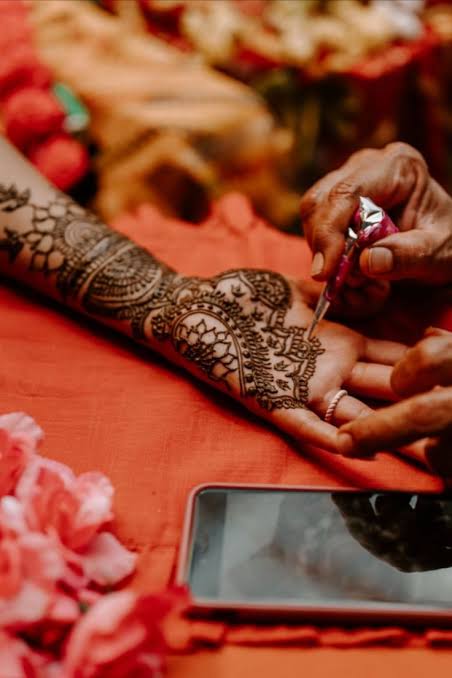
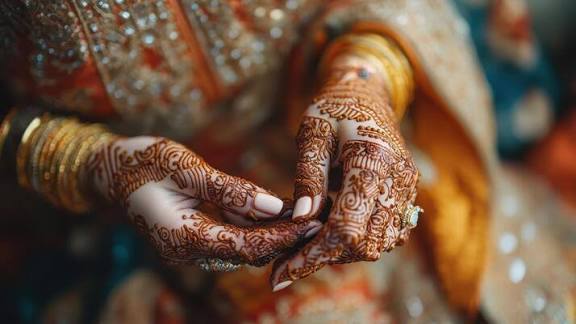
The bride is adorned with henna patterns on her hands and feet, applied by her female relatives and friends. The groom’s family may also arrange a Mehndi event, and in some cases, both sides join together. The celebration includes lively dances, group performances, and a variety of traditional foods. Above all, Mehndi reflects joy, unity, and the anticipation of a new chapter in life. Rituals like Mehndi create opportunities for families and friends to come together, share happiness, and make memories. They foster laughter, togetherness, and even playful rivalries in dance and song competitions. Such gatherings strengthen emotional bonds, making rituals not just cultural acts but celebrations of human connection. **Ending part is ,** Rituals are far more than symbolic practices; they are the heartbeat of cultural and social life. They form naturally through history, represent community values, and have a profound impact on both individuals and societies. Mehndi in Pakistan exemplifies how rituals preserve tradition while bringing people joy, laughter, and unity. Ultimately, rituals remind us of who we are, where we come from, and the importance of celebrating life together.

Thanks for your valuable time till here. Like, upvote and leave comment for feedback. Cheers, Amjad
No comments yet