 @Amjad_Ali_Waince
more from that month
@Amjad_Ali_Waince
more from that month
Bybit - A global crypto powerhouse. Bybit today stands as one of the most influential players in the global cryptocurrency ecosystem , the world’s second largest crypto exchange by trading volume after Binance. What began as a bold entry into a crowded market in 2018 has evolved into a resilient, rapidly expanding platform that bridges centralized finance (CeFi), decentralized finance (DeFi), and Web3 innovation. Bybit was founded in March 2018 in Singapore by Ben Zhou, a Singapore based entrepreneur, with the vision to build a faster, more reliable trading platform tailored to professional and retail traders alike. Zhou and his initial core team were veterans from traditional finance and trading arenas like engineers and financial professionals who recognized the shortcomings of existing crypto exchanges on slow trade execution, poor customer service, and frequent outages during volatile markets. The founding ethos, reflected in early product design, was simple, create an intuitive yet powerful trading experience, one that could handle high volatility and support both derivatives and spot trading. From the outset, Bybit focused on creating infrastructure that was not only fast boasting an efficient order matching engine but also secure and customer centric. **The Climb , (2018–2024)** In its first years, Bybit grew largely through word of mouth within the crypto community, appealing to derivatives traders with its deep liquidity and sophisticated trading tools. The exchange offered perpetual contracts with high leverage, drawing a user base hungry for advanced strategies. By 2021–2022, the platform’s marketing and partnerships like **Oracle Red Bull Racing (Formula 1) , SignalPlus, Circle** accelerated its brand recognition, also esports and global sports sponsorships that brought Bybit into mainstream attention. As users flocked to the platform, Bybit expanded its footprint. It relocated its headquarters from Singapore to Dubai, a city positioning itself as a crypto hub with pro-blockchain regulation. Bybit also diversified offerings, launching spot trading, wallet services, and expanding into NFT marketplaces and Web3 tools.
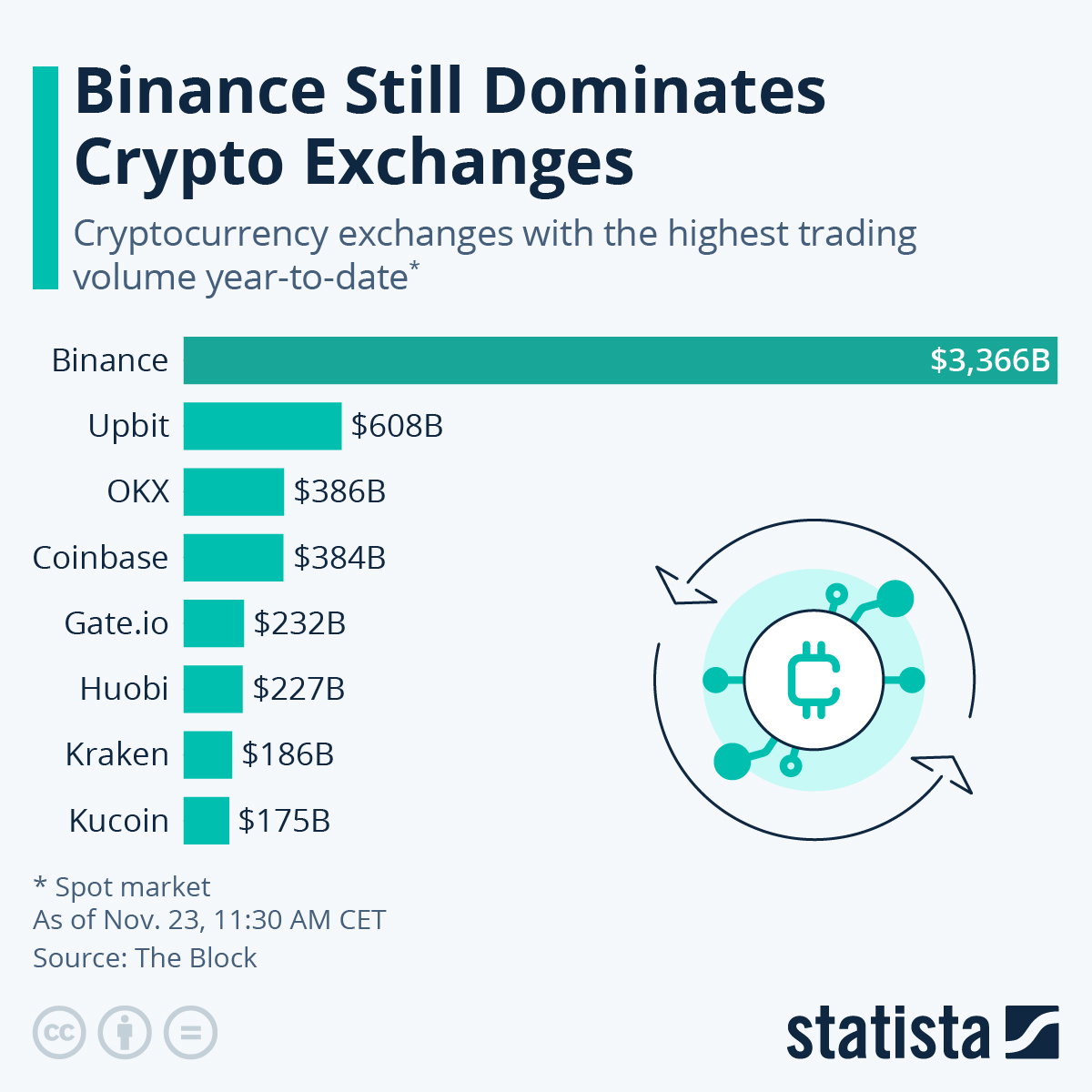
By 2023–2024, Bybit was averaging billions in daily trading volume and had grown its user base into tens of millions. During this period, it surpassed Coinbase to become the world’s second largest cryptocurrency exchange by trading volume, a significant milestone that underscored its rising influence. **Growth, hacking and achievement of 2025.** The year 2025 was one of dramatic contrasts for Bybit marked by both crisis and expansion. In February 2025, the exchange suffered one of the largest cyberattacks in crypto history, losing approximately $1.4–$1.5 billion in Ethereum from a wallet during a routine transfer. The attack was linked by authorities to sophisticated North Korean associated hacking groups. Bybit managed to cover all user losses through emergency funding and an insurance fund, ensuring zero loss in client funds. Despite the severity of the breach, Bybit’s response was fortified by its transparent reserve policy , a 1:1 guarantee ensuring user funds were protected. The platform restored reserves within days with partner support and processed hundreds of thousands of withdrawal requests without losses to clients, demonstrating operational maturity in crisis. **Beyond crisis response,** 2025 also saw robust ecosystem growth, **Regulatory achievements**: Full MiCA authorization in Austria and the first UAE SCA virtual asset operator license bolstered Bybit’s compliant global presence. **Product expansion**: Launches like Bybit Alpha (on chain insights), Bybit TradFi (traditional markets integration), and Byreal (a Solana DEX) broadened user opportunities. **Record participation in WSOT 2025**: Bybit’s flagship trading competition drew massive global engagement and earned a Guinness World Record. **User base growth**: Registered users climbed to over 80 million, showcasing resilience and brand strength. **Mission for 2026 and Beyond** Heading into 2026, Bybit’s mission centers on bridging TradFi and Web3, fostering open access to financial markets, and enhancing user empowerment through compliant, innovative tools. This includes continued emphasis on, Regulatory alignment globally, making crypto accessible while meeting legal frameworks. Expanded DeFi integration, delivering seamless experiences across centralized and decentralized finance. Security leadership, ensuring infrastructure resilience through smarter defenses and industry partnerships. Community growth and education, helping users not just trade, but participate meaningfully in the digital economy. As the crypto landscape evolves, Bybit’s journey from a niche derivatives exchange to a comprehensive financial ecosystem illustrates a blend of innovation, risk resilience, and global ambition qualities likely to shape its trajectory well into 2026 and beyond.

Thanks for your valuable time till here. Like, upvote and leave comment for feedback. Lead image taken from iq.wiki. https://iq.wiki/wiki/bybit Cheers, Amjad
2 comments
One of the most striking points here is not just the scale of the breach, but how it was handled. Covering all user losses, restoring reserves quickly, and processing massive withdrawals without client impact shows a level of operational maturity that many platforms only talk about but rarely demonstrate under real stress. The 1:1 reserve transparency clearly played a key role in maintaining trust during the crisis. Beyond that incident, the regulatory progress and product expansion in 2025 suggest Bybit is deliberately positioning itself beyond pure derivatives trading toward a broader, more compliant financial ecosystem. Initiatives like MiCA authorization, TradFi integration, and DeFi expansion reflect an understanding that long-term survival in crypto will depend as much on regulation and infrastructure as on innovation. That said, continued security hardening and user education will remain critical, especially as the platform grows and attracts more sophisticated threat actors. Overall, this reads like a case study in how exchanges can respond to crises while still advancing strategically into the next phase of the crypto market.
I am sure it will be.